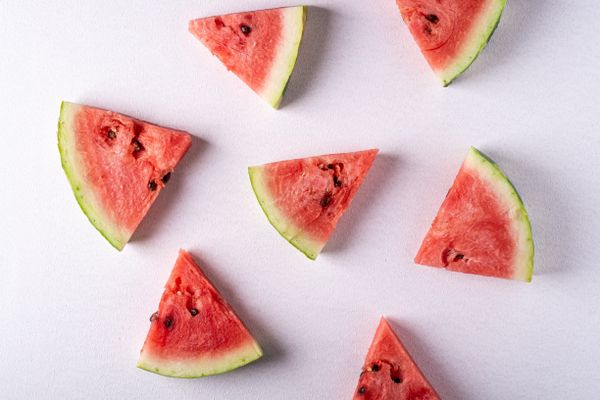
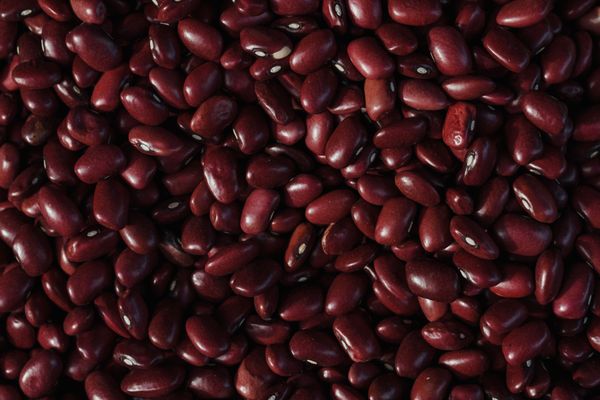
Recent years, the connection between gut health and overall well-being has garnered significant attention. From boosting immunity to enhancing mental clarity, the state of your gut plays a pivotal role in your health. Coupled with the principles of clean eating, nurturing your gut can transform your physical and emotional well-being. This blog dives deep into the relationship between gut health and clean eating, offering insights, tips, and science-backed strategies to help you thrive.
The Gut Microbiome: A Hidden Ecosystem
Your gut is home to trillions of microorganisms, collectively known as the gut microbiome. This diverse community includes bacteria, viruses, fungi, and other microbes that interact symbiotically with your body. While some microbes are beneficial, others can be harmful in excess. Achieving a balanced microbiome is essential for maintaining a healthy gut.
Why Gut Health Matters
- Digestion and Nutrient Absorption: The gut is responsible for breaking down food and absorbing essential nutrients. A healthy gut ensures optimal digestion and reduces issues like bloating and indigestion.
- Immune Function: Nearly 70% of the immune system resides in the gut. A robust gut microbiome strengthens immunity and protects against infections and diseases.
- Mental Health: The gut-brain axis is a bidirectional communication system linking the gut and brain. A balanced microbiome can improve mood and reduce anxiety and depression.
- Metabolic Health: Gut bacteria influence metabolism and weight regulation, affecting how your body processes energy and stores fat.
Clean Eating: The Foundation of Gut Health
Clean eating is a dietary approach that emphasizes whole, minimally processed foods. By prioritizing natural ingredients and avoiding additives, clean eating supports a healthier gut microbiome.
Principles of Clean Eating
- Prioritize Whole Foods: Focus on fruits, vegetables, whole grains, lean proteins, and healthy fats. These foods are rich in nutrients and fiber, essential for gut health.

Fruits
2 Minimize Processed Foods: Packaged snacks, sugary beverages, and fast foods often contain artificial additives, preservatives, and unhealthy fats that disrupt the microbiome
3 Choose Organic When Possible: Organic produce reduces exposure to pesticides, which can negatively affect gut bacteria.
4 Stay Hydrated: Water supports digestion and helps maintain the mucosal lining of the intestines, a critical barrier for gut health.
5 Limit Added Sugars: High sugar intake feeds harmful bacteria and yeast in the gut, leading to imbalances and inflammation.
Foods That Nourish the Gut
Incorporating specific foods into your diet can enhance gut health by promoting the growth of beneficial bacteria and reducing inflammation.
Fiber-Rich Foods
Dietary fiber acts as a prebiotic, feeding the good bacteria in your gut. High-fiber foods include.
- Fruits: Apples, bananas, berries, and pears.
- Vegetables: Broccoli, artichokes, spinach, and carrots.
- Whole Grain
- Oats, quinoa, barley, and brown rice.
- Legumes: Lentils, chickpeas, and black beans
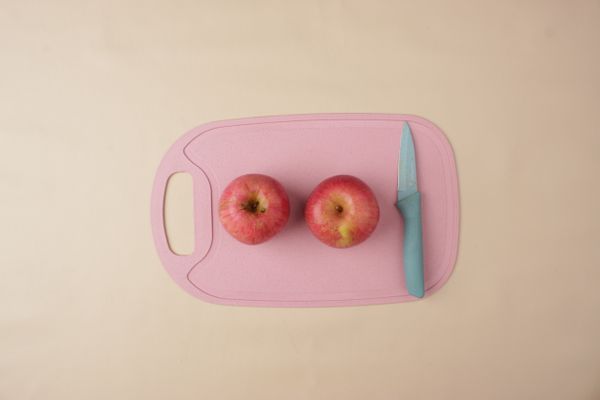
Apples
Fermented Foods
Fermented foods are natural sources of probiotics, live microorganisms that support a healthy microbiome:
- Yogurt (with live cultures)
- Kefir
- Sauerkraut
- Kimchi
- Miso
- Tempeh
- Kombucha
Healthy Fats
Omega-3 fatty acids have anti-inflammatory properties and support gut integrity:
- Fatty fish (salmon, mackerel, sardines)
- Chia seeds
- Flaxseeds
- Walnuts
Polyphenol-Rich Foods
Polyphenols are plant compounds that feed beneficial gut bacteria and reduce oxidative stress:
- Green tea
- Dark chocolate (70% cocoa or higher)
- Berries
- Nuts
- Olives and olive oil
Foods to Avoid for Gut Health
Certain foods and substances can disrupt the balance of your microbiome and harm gut health. These include:
- Refined Sugars and Artificial Sweeteners: High sugar intake promotes harmful bacteria, while some artificial sweeteners can negatively impact gut bacteria.
- Processed and Fried Foods:
- These foods are low in nutrients and high in inflammatory oils.
- Excessive Alcohol: Alcohol disrupts the gut lining and reduces beneficial bacteria.

Alcohol
5 .Preservatives and Additives: Chemicals used to extend shelf life can disturb gut bacteria.
Lifestyle Habits to Complement Clean Eating
While diet is a cornerstone of gut health, other lifestyle factors also play a role in nurturing your microbiome.
Manage Stress
Chronic stress negatively impacts gut health by disrupting the gut-brain axis. Practices like mindfulness, meditation, yoga, and deep breathing can reduce stress levels and improve gut function.
Prioritize Sleep
Poor sleep quality can alter the gut microbiome and increase inflammation. Aim for 7-9 hours of quality sleep each night to support gut and overall health.
Stay Active
Regular exercise promotes a diverse gut microbiome and reduces inflammation. Incorporate both aerobic exercises (like walking and cycling) and strength training for optimal benefits.
Avoid Overuse of Antibiotics
While antibiotics are essential for treating bacterial infections, overuse can disrupt the microbiome. Always use antibiotics responsibly and consider probiotic supplementation during and after treatment.
Signs of an Unhealthy Gut
Your body may give you clues when your gut health is compromised. Watch for these warning signs:
- Digestive issues (bloating, gas, or constipation)
- Frequent infections or weakened immunity
- Unexplained fatigue
- Skin problems (acne, eczema, or rashes)
- Food intolerances or sensitivities
- Mental health concerns (anxiety, depression, or brain fog)
Restoring Gut Health: A Step-by-Step Plan
- Identify Trigger Foods: Keep a food diary to pinpoint foods that cause discomfort or bloating.
- Adopt an Elimination Diet: Temporarily remove potential irritants like gluten, dairy, and processed foods to reset your gut.
- Reintroduce Foods Gradually: Reintroduce eliminated foods one at a time to identify specific sensitivities.
- Incorporate Probiotics: Add fermented foods or consider a high-quality probiotic supplement to restore beneficial bacteria.
- Focus on Anti-Inflammatory Foods: Include turmeric, ginger, and omega-3-rich foods to soothe inflammation.
- Hydrate Adequately: Drink plenty of water to support digestion and nutrient absorption.
The Long-Term Benefits of a Healthy Gut
Investing in your gut health through clean eating and mindful lifestyle choices pays off in numerous ways:
- Enhanced Energy Levels: Proper nutrient absorption fuels your body more effectively.
- Improved Mood and Mental Clarity: A balanced gut-brain axis can boost cognitive function and emotional resilience.
- Stronger Immunity: A healthy gut equips your body to fight off infections and chronic diseases.
- Better Weight Management: Balanced gut bacteria regulate metabolism and appetite.
- Radiant Skin: A healthy microbiome reduces inflammation, promoting clearer and healthier skin.
Conclusion Gut health and clean eating are intricately connected, forming the foundation for holistic wellness. By prioritizing whole, nutrient-dense foods and avoiding harmful substances, you can cultivate a thriving gut microbiome that supports your body and mind. Remember, small, consistent changes can lead to profound transformations over time. Start today and embark on a journey toward optimal health .